
Common Roof Leak Causes in Tobaccoville
Most roof leak water damage repair calls in Tobaccoville come from Tobaccoville experiences frequent thunderstorms and heavy rainfall, especially during the spring and summer months, which can lead to sudden roof leaks. The region's humid climate also contributes to prolonged moisture exposure, increasing the risk of water damage. These conditions are common in the surrounding areas like Bethania and Rural Hall.. A close second is The area is prone to flash flooding due to its rural landscape and limited drainage systems, which can cause water to seep through roof seams and gutters. Winter storms can bring freezing temperatures that lead to ice dams, further stressing roofing materials. These weather patterns are typical for the Forsyth County region.. If you know what is about to happen, the decisions during the first 48 hours get a lot easier.
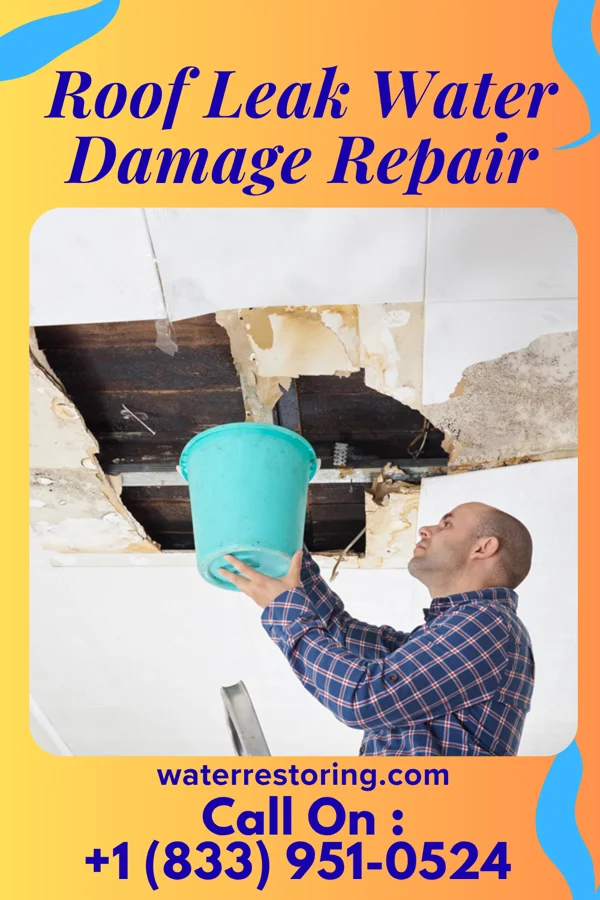
The combination of frequent rain, high humidity, and occasional severe weather in Tobaccoville creates a challenging environment for roof integrity. Homes in this area often experience water intrusion through damaged shingles, missing flashing, or clogged gutters.
Most roof leak water damage repair calls in Tobaccoville come from Tobaccoville experiences frequent thunderstorms and heavy rainfall, especially during the spring and summer months, which can lead to sudden roof leaks. The region's humid climate also contributes to prolonged moisture exposure, increasing the risk of water damage. These conditions are common in the surrounding areas like Bethania and Rural Hall.. Running a close second is The area is prone to flash flooding due to its rural landscape and limited drainage systems, which can cause water to seep through roof seams and gutters. Winter storms can bring freezing temperatures that lead to ice dams, further stressing roofing materials. These weather patterns are typical for the Forsyth County region.. Local mold risk: Mold can begin to grow within 48 hours of water intrusion in Tobaccoville due to the high humidity levels. This risk is heightened in older homes with poor ventilation, leading to long-term health and structural concerns.